
The Brief, No 73
28 August 2026
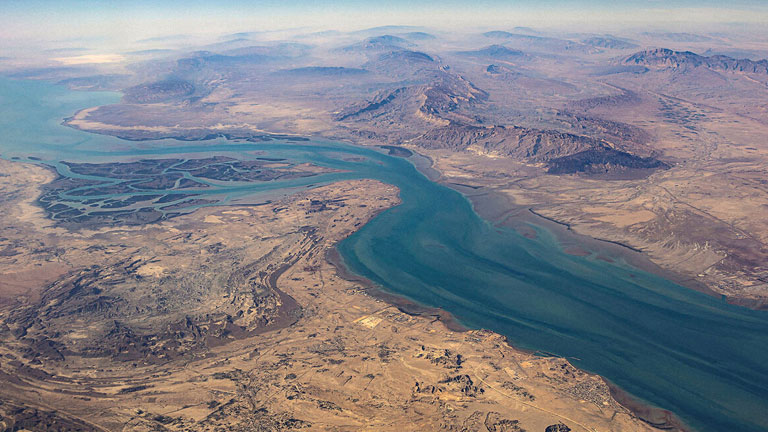
The blocking of the Strait of Hormuz, including its administration, has changed the political reality in the Gulf and will change the geopolitics in Sub-Saharan Africa. Iran is going to dominate the Strait of Hormuz and will be a key player in its administration. Moving forward.
- This is likely to impact energy prices and, indeed, the transportation and all associated costs of moving goods from the Gulf.
- Blocking the Strait of Hormuz is likely to benefit Saudi Arabia in the long run, especially if Gulf countries begin to use the Red Sea as an alternative for transporting their exports. Saudi ports in the Red Sea, particularly the port of Yanbu west of Saudi Arabia, are likely to expand, and pipelines from other Gulf countries are likely to proliferate to avoid the Strait of Hormuz.
- Iran could therefore, in the long run, be left with the administration of the Strait of Hormuz with less traffic. However, that will take a long time and will require huge investments for the Gulf countries to invest in pipelines to the Red Sea, which is a long distance to cover.
- Egypt is likely to benefit when that eventually happens, as this could also increase traffic in the Suez Canal.
However, the Saudi Arabian ports, including the port of Yanbu, could act as an alternative to the Strait of Hormuz. They will certainly not be able to secure and facilitate the transportation of oil, gas, and other petrochemicals southeast of the Red Sea into Asia,
The Houthis in Yemen, with the support of Iran, are likely to block Bab al Mandeb and anything to the Gulf of Eden and the Indian Ocean. Bab al Mandeb is the key passage for cargo ships from Europe to East Asia and vice versa
This will certainly prompt a larger change in course for traffic from the Red Sea, which currently transports over fifteen percent of the global maritime traffic.
The Cape of Good Hope is most likely to become a secure route once again. This will certainly impact South Africa’s geopolitics as traffic from the Gulf, Europe, and Asia will likely start sailing via South Africa. Given the underdeveloped infrastructure in other African countries bordering both the Indian and the Atlantic Oceans, South Africa is likely to take the lion’s share of the business.
The big question is whether South Africa is prepared or preparing for what could be an economic and geopolitical change heading its way?
Africa Asia Dialogues is available for analysis and commentary