The Brief, No 45
15 December 2023

The Brief, No 45
15 December 2023
The Brief, No. 43
24 June, 2023
*Background*
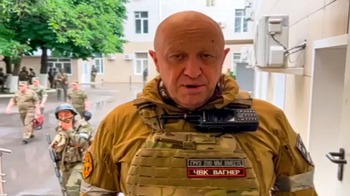
The mutiny by the Wagner Group against the Kremlin’s top brass will impact the war in Ukraine and geopolitics in Sub Saharan Africa.
The Wagner Group is involved in a number of conflicts in Sub-Saharan Africa, including Mali, Central African Republic (CAR), Sudan and Libya to name but a few.
The manner in which the mutiny occurred in Russia is similar to that in Sudan.
After refusing to be integrated into the Sudanese Armed Forces (SAF), the Rapid Support Forces (RSF) engaged in a mutiny.
Russian Defense Minister Sergei Shoigu demanded that Wagner Group’s troops sign contracts with his ministry by July 1, 2023. The leader of Wagner Group Yevgeny Prigozhin refused. Afrasid believes this led to the mutiny.
*
Examining the implications of the mutiny in Sub-Saharan Africa
Wagner is accused of sponsoring the RSF in Sudan. The mutiny will certainly impact that conflict. There could be the weakening of the RSF and possible pull out of the Wagner Group from Sudan.
Other conflicts in Africa where the Wagner Group has been active could also see drastic changes.
Moreover, Russia’s rapprochement in Sub-Saharan Africa will certainly be impacted overall. The disappearance of the Wagner Group from the political scene in Sub-Saharan Africa could limit Russia’s “dirty work in Africa”.
Importantly the mutiny could ease South Africa’s predicament regarding Putin’s visit to the country in August 2023 for the BRICS Summit. Putin is unlikely to leave Russia in the midst of mutiny.
Afrasid is available for analysis and commentary.
The Brief, No. 42
23 February, 2023
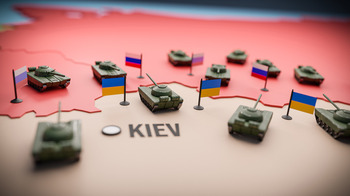
Tomorrow will be a year since Russia invaded Ukraine. Much has happened in Ukraine since; there has been widespread destruction of critical infrastructure, thousands have died, and millions displaced.
When Russia invaded Ukraine on 24 February 2022 its main objective, we were told by the Kremlin at the time, was to demilitarize and denazify Ukraine and protect the Russian speaking Ukrainians from neo-Nazi harassment. These were some of the justifications that were provided by Kremlin for its “Special Military Operations” in Ukraine.
One year on, Russia has lost the media war and it is also not winning the fight on the ground. Ukrainians, with the assistance of NATO and Western nations, are putting up a fierce fight, are gaining ground and recapturing some of the territories lost during the initial stages of the war.
Below are some of the points to be considered as the war enters the second year:
Afrasid is available for analysis and commentary.
The Brief No. 40
23 January 2023
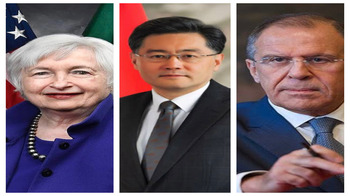
Last week the new Foreign Minister of China, Qin Gang made his first international tour as the foreign minister to Africa. The visit was significant, it was symbolic in a way; it emphasized China’s foreign policy priorities.
This week two very senior officials from Russia and the US will be in Africa almost the same time. The US Secretary of the Treasury Janet Yellen kicked started her visit in Senegal on Saturday. Her visit comes to as Biden’s administration continues to advance its charm offensive in Africa.
Sergei Lavrov, the Foreign Minister of Russia will also be in Africa this week, his second tour since Russia invaded Ukraine in February 2022. He is likely going to try to convince Africa why Russia went to war. The destruction the war is causing in Ukraine, mayhem and human suffering is negatively impacting Africa’s opinion of Russia’s involvement in the war. Lavrov is also likely to provide certain guarantees to Africa including uninterrupted food supply particularly grain and energy supply.
What are other reasons behind these visits?
Afrasid is available for analysis and commentary.
The Brief, No. 39
05 January 2022
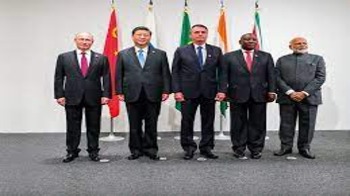
It is certainly going to be a hectic year for President Cyril Ramaphosa of South Africa. South Africa takes over the rotational presidency of BRICS in 2023. BRICS has important projects on hand including the development of New Development Bank formerly referred to as the BRICS Development Bank.
Importantly, this year, BRICS will also have to deal with potential membership applications of countries such as Saudi Arabia, Egypt, Iran and many others that have indicated to join BRICS. Being the president of BRICS in 2023 will certainly be complicated for Ramaphosa as the war in Ukraine rages following the invasion of Ukraine by Russia in February 2022.
However, it will not only end there for Ramaphosa:
Afrasid is available for comment and analysis